
Top Free Attractions That Are Worth Visiting in Kyoto
We don’t actively seek out free things to do in Kyoto, but after visiting three times, we came across several places that are definitely worth checking out — not because they are free, but because they are great sites on their own, showcasing certain aspects of Kyoto’s nature, history, and culture. Some of these places are more beautiful in certain seasons, and I will note that where relevant in my write-up below.
Lake Biwa Canal Museum
- Location: Google Maps
This lesser known museum tells the story of the Lake Biwa Canal, a remarkable infrastructure project in the Meiji period that brought water from Lake Biwa to Kyoto and fueled the city’s modernization. The museum is small but informative with sufficient English translation provided. You can read more about why we recommend Lake Biwa Canal Museum here.
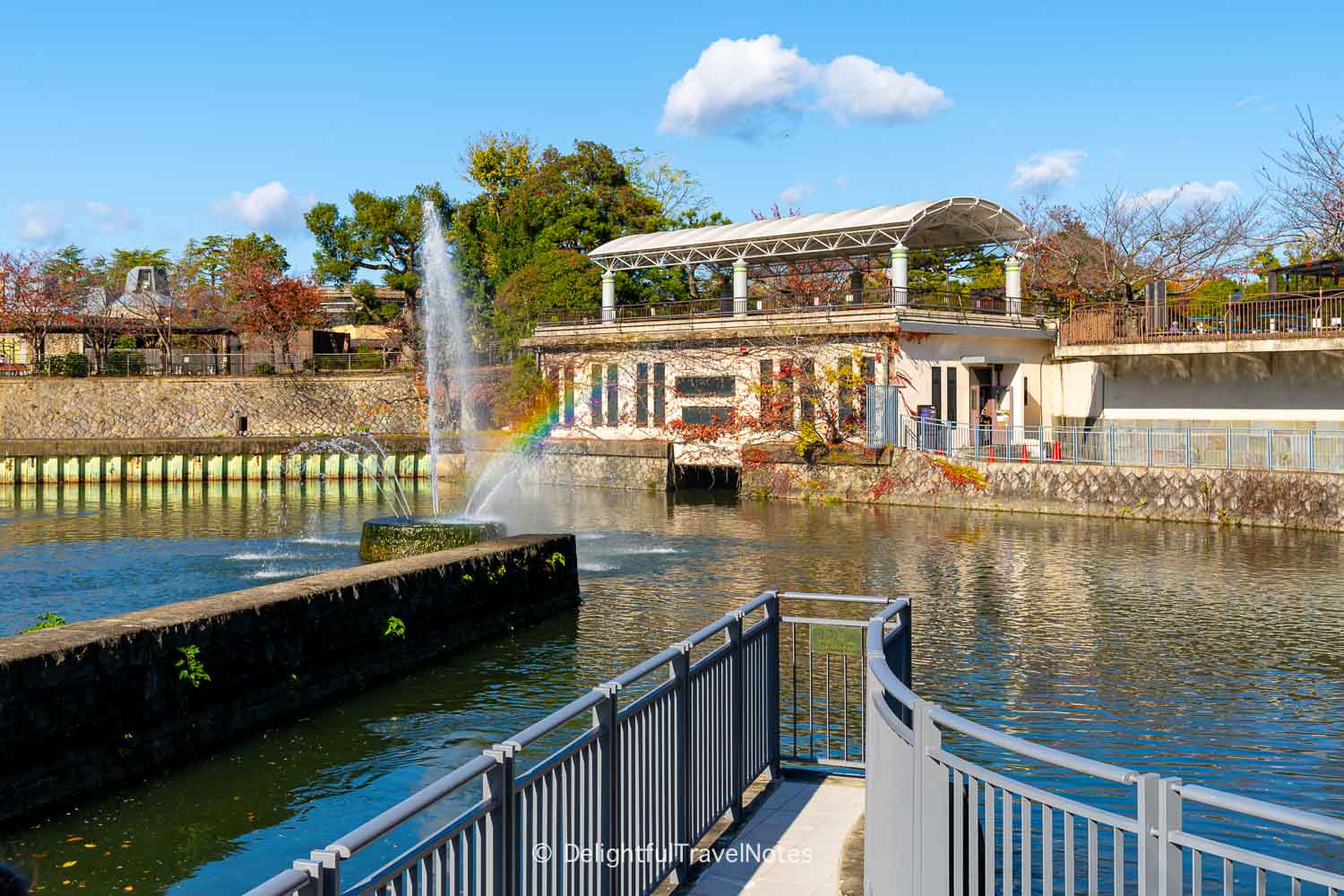
📝 Tip: After viewing the exhibits, exit the museum via its basement terrace, which offers a great view of the canal. From there, follow a walkway that leads directly to Keage Incline.
Keage Incline and Lake Biwa Canal
- Location: Google Maps
Keage Incline is an abandoned railway track that was once used to transport boats up and down the canal. I highly recommend visiting Lake Biwa Canal Museum first and then follow the path I mentioned above to Keage Incline. It will give you the context to make the visit to Keage Incline more meaningful than just a scenic walk.
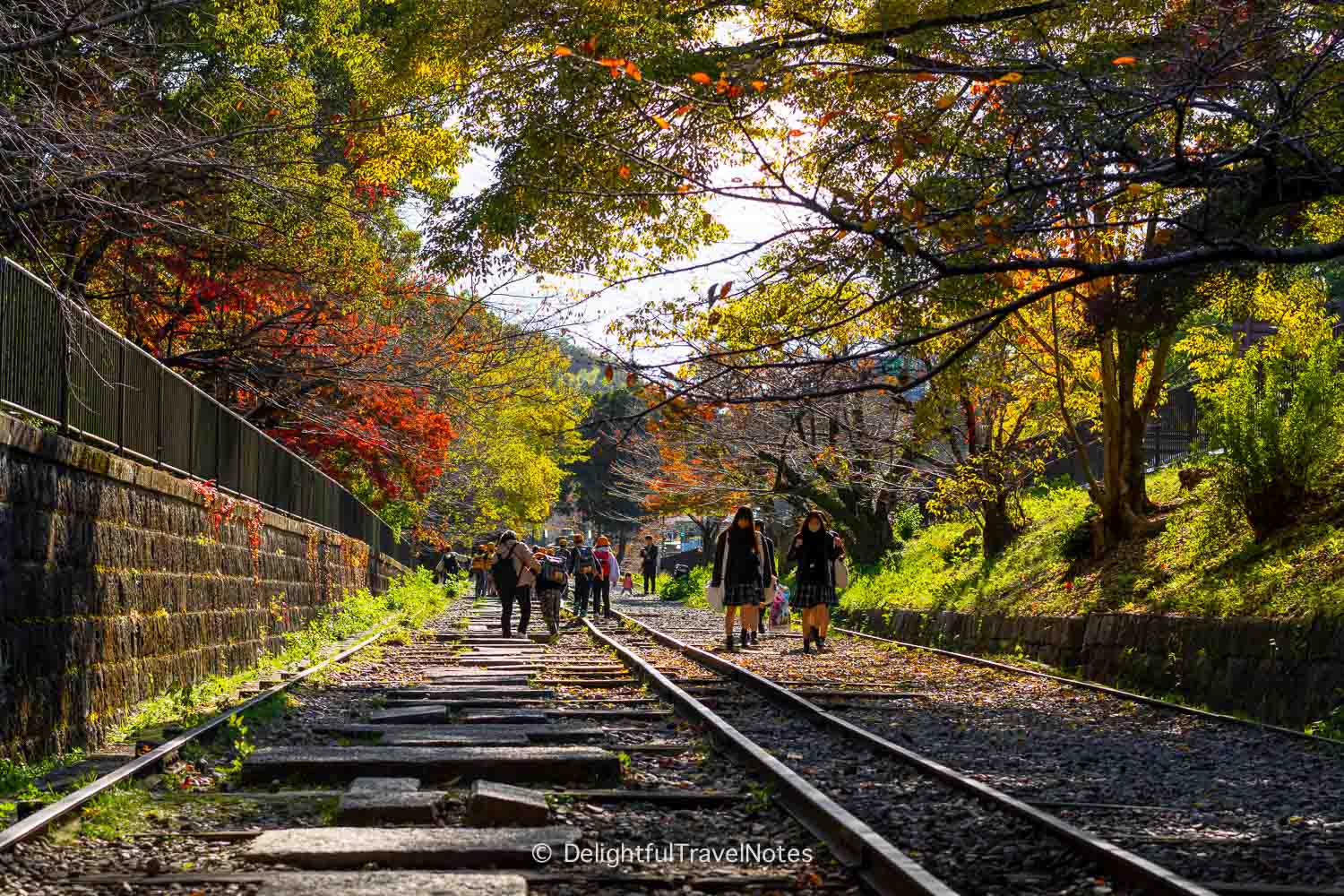
📝 Tip: Keage Incline is a very popular cherry blossom spot in spring. We visited in the fall and found it pretty lovely with a quiet, nostalgic atmosphere perfect for a stroll.
Nanzen-ji Temple Grounds
- Location: Google Maps
Nanzen-ji Temple Grounds feature several iconic structures. First is the massive Sanmon gate at the entrance offers great photo opportunities. Second is the red-brick Suirokaku Aqueduct part of the Lake Biwa Canal system. If you have already visited the museum, the canal, and the incline, I think stopping by the aqueduct at Nanzen-ji is a must to complete the experience, as all these sites are historically connected and located near each other.
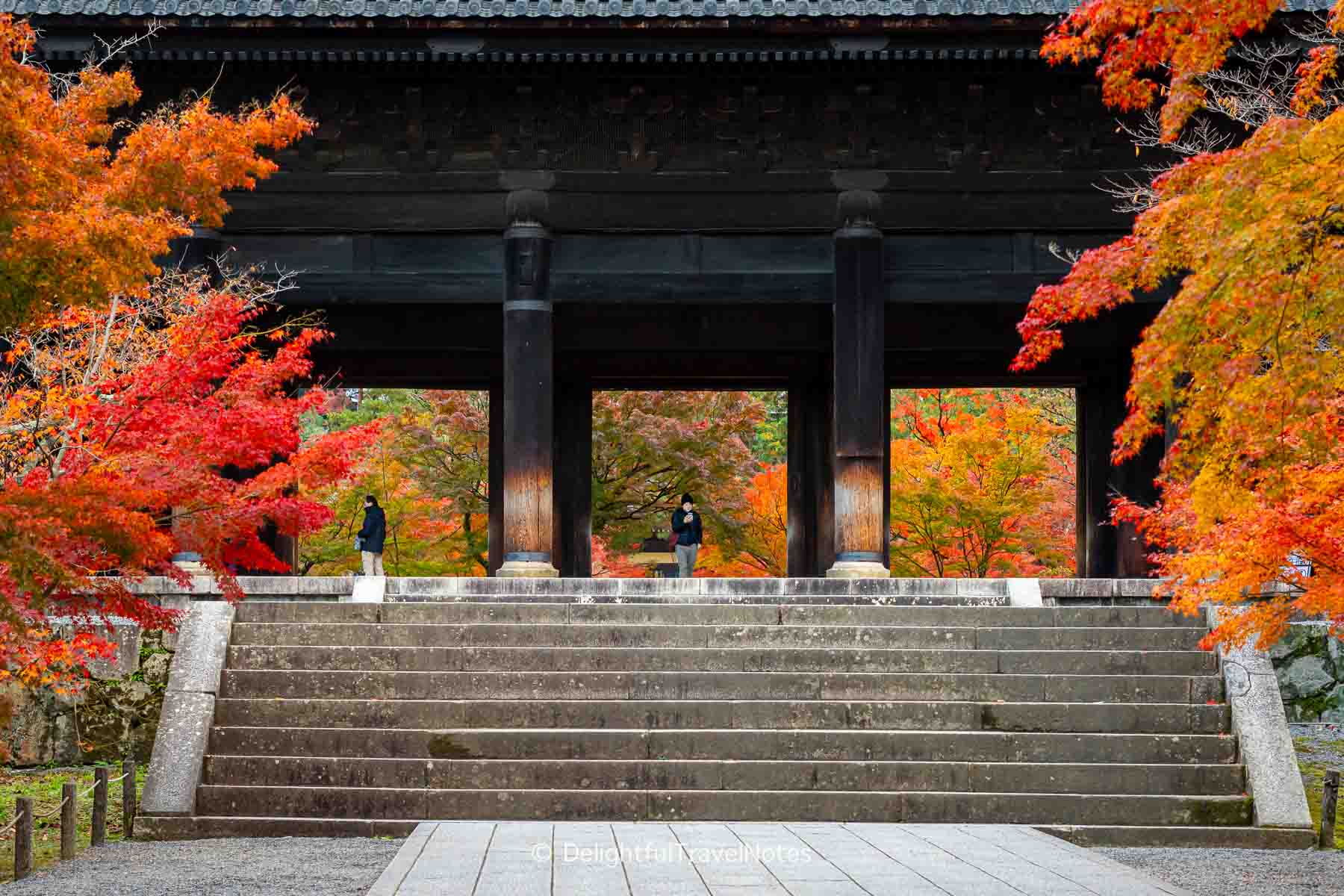
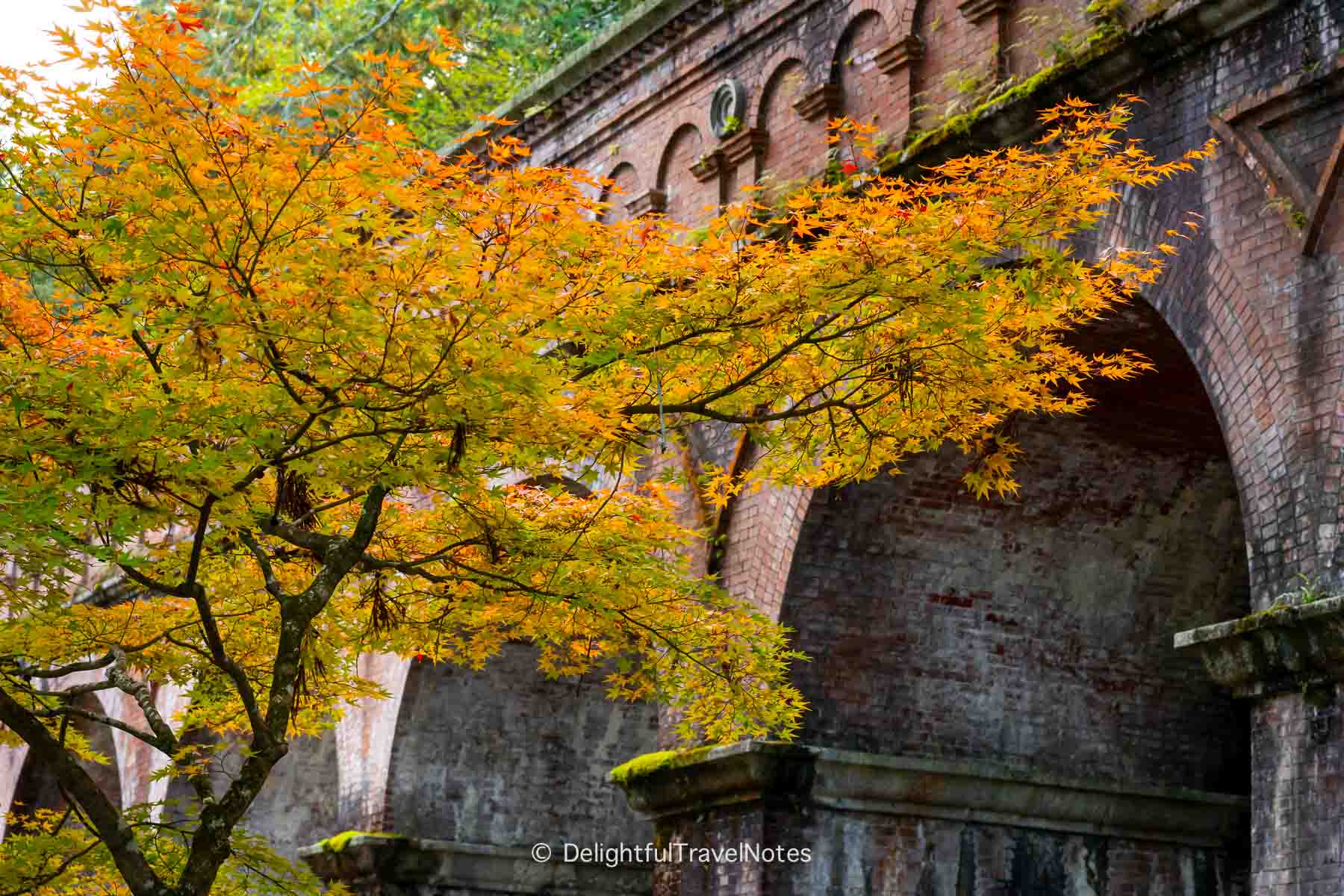
📝 Tip: While the grounds are free, you need to pay a small fee to enter the temple main building which features rock gardens and wall paintings. Fall is a particularly beautiful time to visit the temple grounds for vibrant foliage colors. This post features beautiful fall colors on Nanzen-ji grounds and an easy walking route to explore the area.
Fushimi Inari Taisha
- Location: Google Maps
One of the most famous and crowded places in Kyoto, Fushimi Inari Shrine needs no introduction. It is known for its thousands of vermillion torii gates, forming mesmerizing tunnels that lead up Mount Inari. Each of these torii gates was donated by a business as a gesture of gratitude.
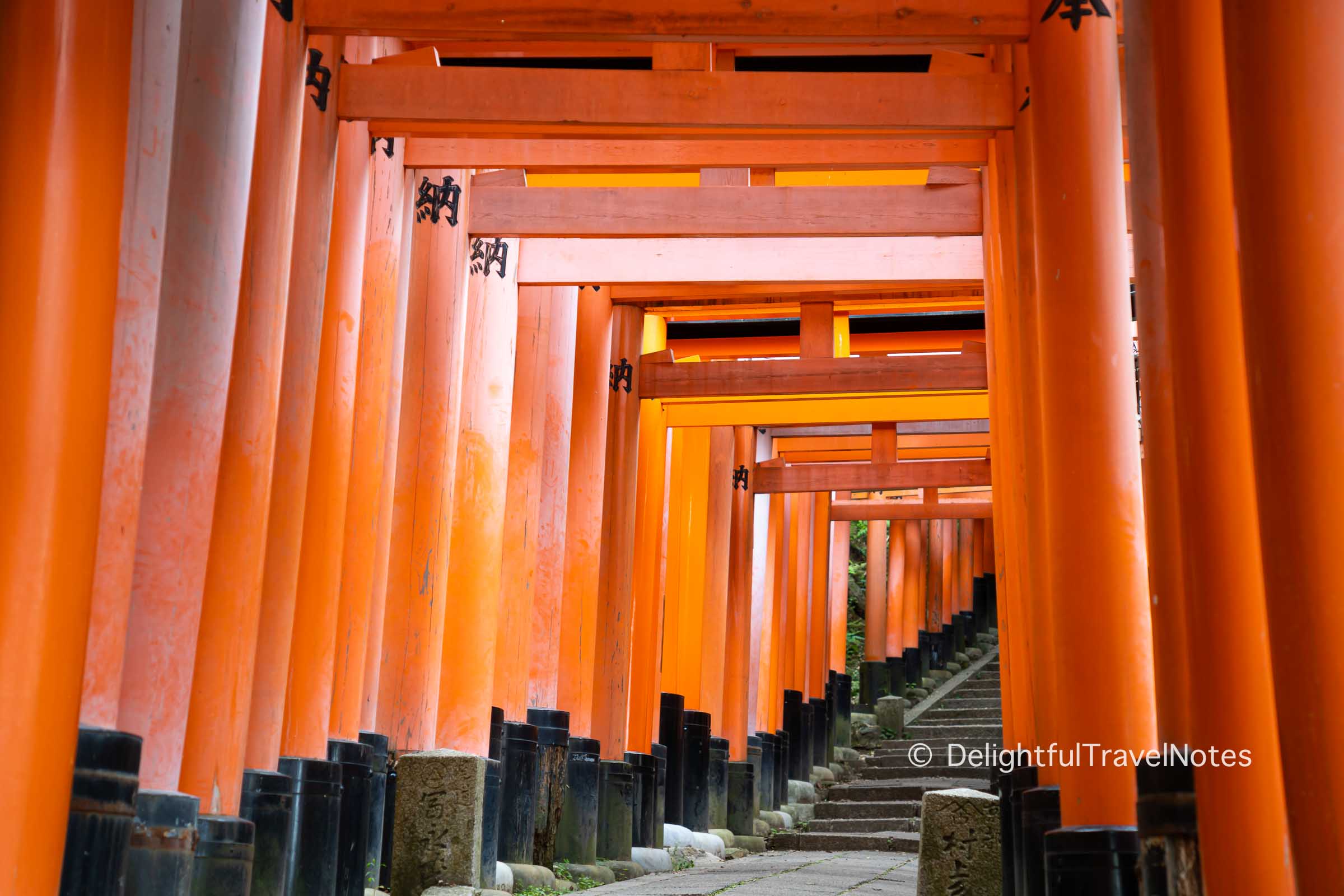
📝 Tip: I recommend visiting early in the morning (we went at 7am) for a quiet atmosphere. Some people like to visit after sunset when it’s dark, thus creating a different vibe. Generally, the lower section near the main shrine is always busy during the day, but the higher you climb, the quieter it gets.
Arashiyama Park
- Location: Google Maps
Before you think, “Oh no, it’s just the bamboo forest, and it’s always crowded,” please keep reading! While the bamboo grove is very popular, there’s much more to Arashiyama than that.
The Arashiyama Park Kameyama Area is a beautiful natural area with stunning views of the mountains and Katsura river. Walk along the river past all the popular spots like Togetsukyo Bridge or % Arabica coffee shop, all the way toward the end of the path by the river, then climb up to Arashiyama Park Observation Deck for panoramic views of the gorge.


This walk is absolutely beautiful in the fall. It is one of my most favorite autumn landscapes in Kyoto so far. If you can do it in early morning (we went around 7-8am), it will be even better because the atmosphere will be very quiet and peaceful.
📝 Tip: If you don’t want to have to climb up, the observation deck is just a short walk from Okochi Sanso Garden and the west end of the bamboo forest. Zoom in on Google Maps and you will see the path. Then from the viewpoint you can walk down to the riverbanks.
Historic Streets of Gion
It is completely free to wander in Gion and explore its historic streets. Don’t just stick to the popular spots like Hanamikoji-dori, Shirakawa Canal, Sannenzaka, and Ninenzaka. Gion is full of quiet alleys and corners with almost no visitors.
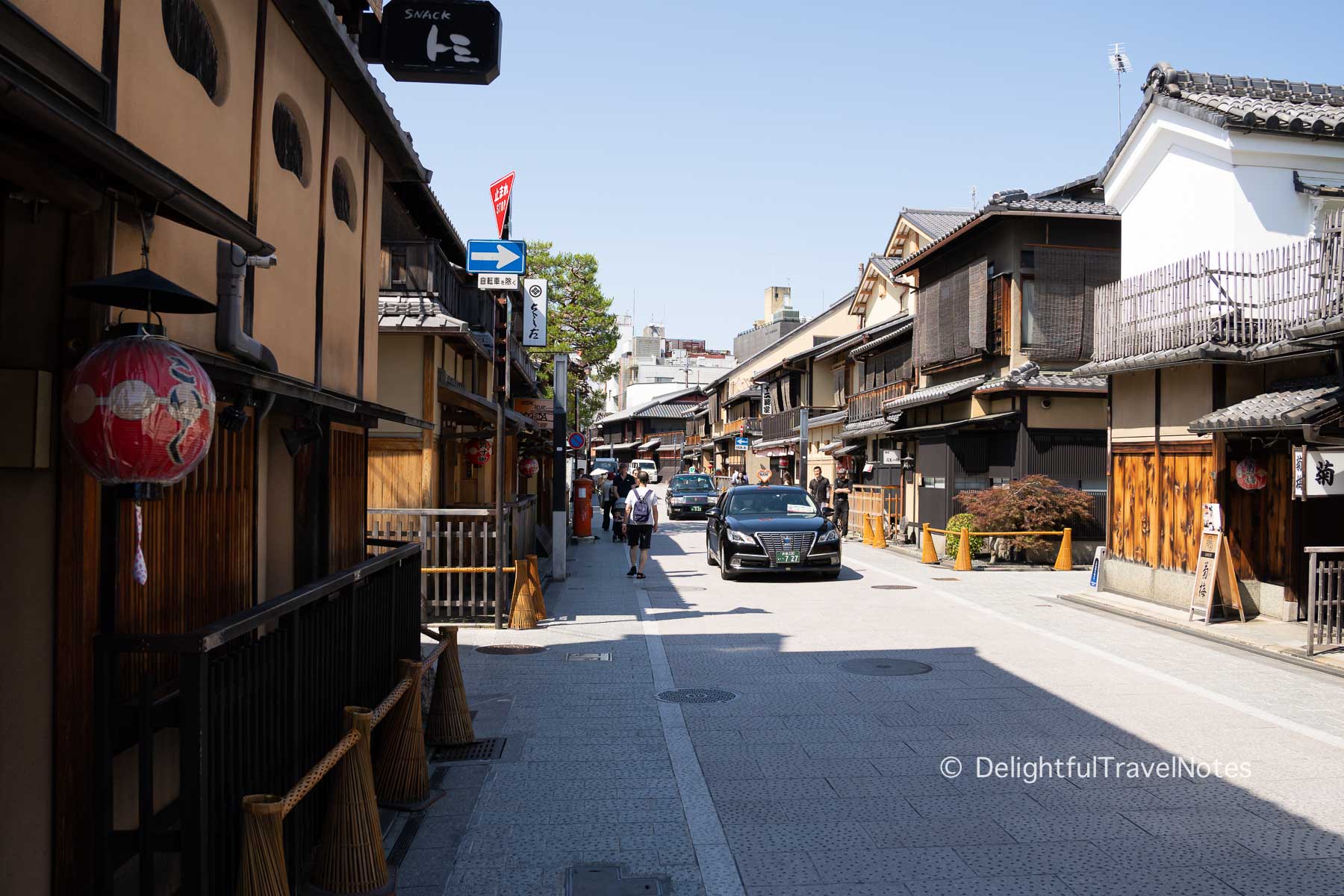
📝 Tip: If you’re interested in a free walking tour in Gion, check out Kyoto Localized. I personally think the best area to stay in Kyoto for first-time visitors is Gion to fully experience its famous historic atmosphere. My favorite hotel in this area is The Celestine Gion Hotel.
There are some small free temples and shrines that you can quickly pop in and out in Gion. They aren’t exactly exciting, but one of the more interesting ones is Yasui Konpiragu. This shrine has a large stone monument with a human-sized hole. Visitors can crawl through this hole to sever ties with negative habits or undesirable relationships.
Yasaka Shrine and Chionin Temple
- Location: Yasaka Shrine and Chionin Temple
These two sites are located close to each other, so definitely consider combining them on your visit. Yasaka Shrine is one of Kyoto’s most famous Shinto shrines, known for its many lanterns bearing names of local businesses in return for donations.
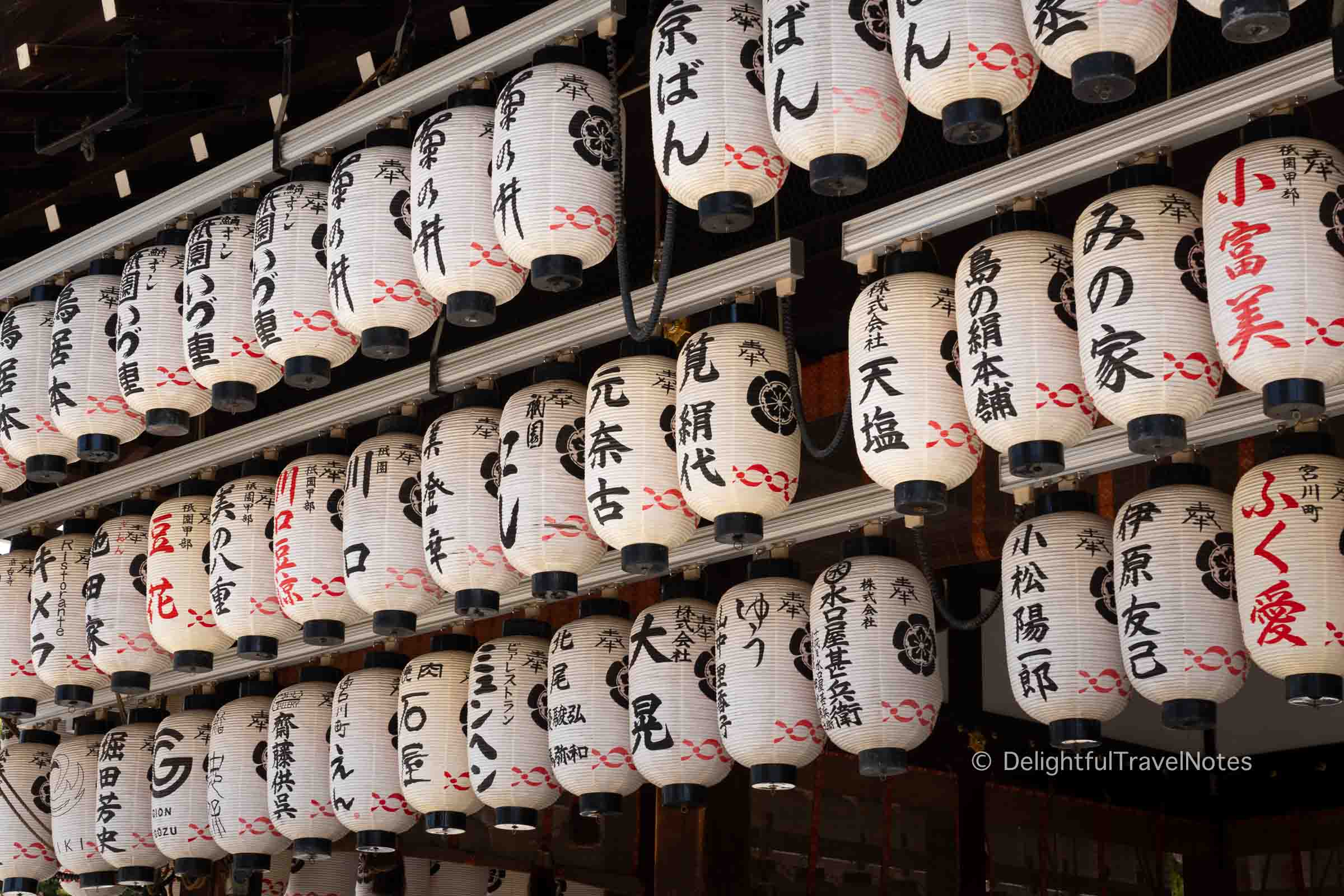
After visiting Yasaka Shrine, don’t go back to exit via its main entrance. Instead, take the walking path to the north of the shrine and head to the Sanmon Gate of Chionin Temple. This massive wooden gate is one of the largest in Japan. Some of the buildings in the temple complex were burnt down and rebuilt by the third Tokugawa Shogun in the 17th century.
Besides the gate, another interesting feature of Chionin Temple is that all the roof tiles are carved with the family crest of the Tokugawa family: the three hollyhock leaves. This shows the close connection between the family and the temple.

The guide of our private Gion walking tour said that some historians thought Chionin was like a secret fortress of the Tokugawa Shogunate (read more in this article). Together with Nijo Castle, these two strongholds watched over the Kyoto Imperial Palace in the middle. This historical aspect made Chionin Temple a more interesting site than Yasaka Shrine to me.
Higashi Hongan-ji Temple
- Location: Google Maps
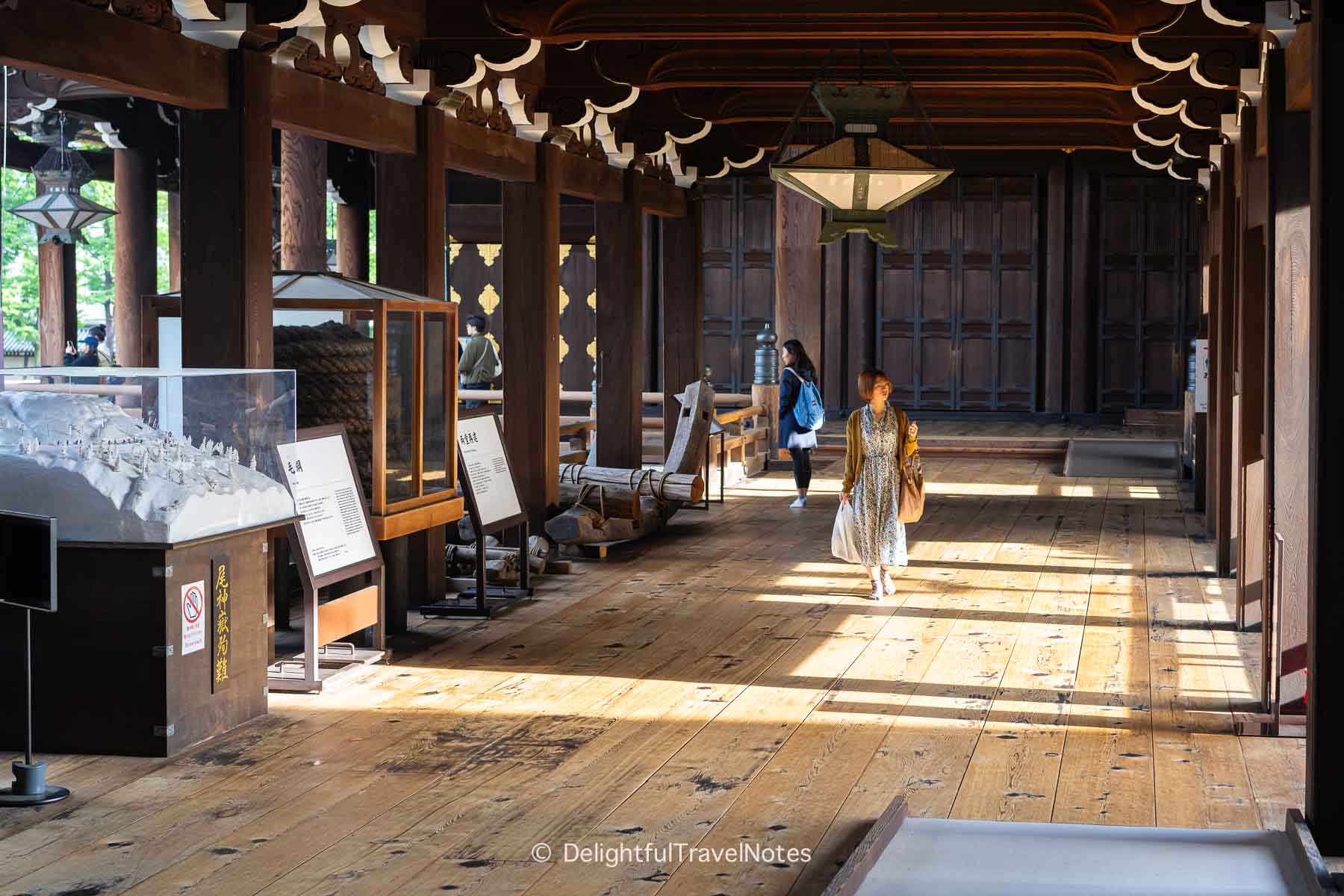
Higashi Hongan-ji is one of the largest wooden temple complexes in Kyoto. If you love grand wooden architecture of Japan, I recommend visiting this temple. Despite its size, it is much less crowded than Kiyomizu-dera and Kinkaku-ji. The temple is just a short walk from Kyoto Station, making it very convenient to visit.
If you found this article helpful, please consider sharing it on Pinterest! Thank you so much!


Explore More
Miyajima Kinsuikan Review: A Ryokan with A Century of History on the Island
Kurashiki and Okayama in One Day Trip from Hiroshima (or Osaka)
Miyajima Trip Report and Why An Overnight Stay is Worth It