
Using Yokohama As A Base Instead of Tokyo: Pros, Cons, and Sample Itinerary
For our most recent trip to Japan, we chose to base ourselves in Yokohama instead of Tokyo for a few days and realized it is a strategic decision that can work well depending on your priorities. We will break down the pros and cons based on our experience in this post to help you decide whether it’s the right choice for your trip.
There are quite a few advantages to staying in Yokohama over Tokyo, especially if you’re looking for a different pace or want easier access to specific destinations.
✅ More Relaxed Yet Urban
Despite being one of Japan’s largest cities, Yokohama has a noticeably calmer atmosphere than Tokyo. Streets are generally less crowded. There are far fewer international tourists and restaurants are easier to book.

✅ Close Proximity to Tokyo
Yokohama is well-connected to central Tokyo, with multiple train lines (JR Tokaido, Tokyu Toyoko, etc.) that can get you to places like Shibuya, Meguro or Shinagawa in around 30 minutes or slightly more. There are also direct trains to both Narita and Haneda airports, making arrival and departure convenient.
✅ Shinkansen Access
Shin-Yokohama Station provides access to the Tokaido Shinkansen, allowing easy travel to popular cities on the golden route like Osaka and Kyoto.
✅ Day Trip Convenience
Yokohama is geographically closer than Tokyo to a number of popular day-trip destinations. You can reach Kamakura, Enoshima, Hakone, and even parts of the Izu Peninsula faster from Yokohama than from Tokyo.
✅ Attractive Waterfront and Cityscape
Minato Mirai’s iconic skyline and the waterfront may offer a more scenic, open atmosphere that many visitors enjoy.

✅ More Affordable Hotels
You may get larger and nicer rooms in Yokohama than in Tokyo for the same price. However, if you are into top luxury hotels, you may not find those in Yokohama.
Who May Not Benefit from Staying in Yokohama
Despite all those perks, Yokohama may not be the best choice for everyone. Although there are multiple direct trains connecting Yokohama to different parts of Tokyo, it is a bad idea to stay in Yokohama and do frequent sightseeing in Tokyo, especially if it is your first time in Japan.
If the savings are significant, you may consider this option. But in the end, you will likely end up paying for it with your time and energy. The daily round trips through large, often crowded train stations can become exhausting. Also, some commuter trains often have train delays during the morning rush.
One morning, we intended to take a train on the Shonan-Shinjuku line to Shibuya Station from Yokohama Station and the line got significant delays that they didn’t even know when the next trains would arrive. So we had to figure out an alternative train line to take. Not the end of the world, but if it is your first time in Japan, it may create some confusion and unnecessary stress.
Additionally, if you want to stay out late enjoying Tokyo nightlife, it is better to just base in Tokyo. Besides, from Yokohama, it is less convenient to visit areas north of Tokyo, such as Nikko and Kawagoe. You also have more transport options to get to Fuji-Kawaguchiko area in Tokyo than in Yokohama.
Who Should Consider It
Yokohama as a base makes sense for certain types of travelers. It will work best if you are repeat visitors to Japan, have already seen the major highlights of Tokyo and want a different, more laid-back vibe without straying too far.
It also makes a lot of sense if you are interested in exploring Yokohama itself. While the city’s attractions may not be at world-famous levels, there are still plenty to enjoy. The Cup Noodles Museum, Yokohama Chinatown, Sankeien Garden, and the elegant Yamate Western mansions are all worth a visit. They offer a mix of cultural, historical, and quirky experiences that can easily fill a couple of relaxed days.

In addition to sightseeing, Yokohama is a great place to eat and shop. There are excellent restaurants and large, modern shopping areas in Minato Mirai, Motomachi, and around Yokohama Station. We had a lovely dinner at Salone 2007, a fine-dining Italian restaurant in Yokohama. One thing to note is shop assistants and restaurant staff may be less fluent in English than in Tokyo.
Additionally, Yokohama is a very convenient base if you want to explore Kanagawa Prefecture and even parts of Izu Peninsula. As already mentioned, Yokohama is actually closer than Tokyo to destinations like Odawara, Hakone, Kamakura, and Enoshima. From Yokohama Station, you can reach Kamakura Station in 25 minutes, Odawara Station in 40-60 minutes and Hakone-Yumoto Station in 70-80 minutes.
For our most recent trip, we really enjoyed having Yokohama as our base. We took time to see the main attractions and visited Kamakura a couple of times. We have been to Tokyo before and didn’t love it. It is a great city and many people can spend weeks there, but it just doesn’t suit our personal travel style.
Areas to Stay in Yokohama
If you decide to stay in Yokohama, I recommend these areas:
- Yokohama Station: best hub for trains
- MinatoMirai Station: nice waterfront views and modern hotels
While Yokohama doesn’t have ultra-luxury hotels like Tokyo, it has several solid upscale options. We stayed at the Mitsui Garden Hotel Premier Minato Mirai and were happy with the location and room quality. You can read our full review here.
Suggested Sample Itinerary
Day 1: Explore Yokohama
Explore popular attractions in Yokohama. Spend time in Minato Mirai, known for its modern skyline and scenic bay views. Visit the Cup Noodles Museum for a fun and interactive experience.
Check out Yokohama Chinatown, one of the largest in the world. I think it is the cleanest Chinatown I have been to. This probably sounds silly, but we were so happy to find hujiaobing (Taiwanese white pepper buns) there. We have been curious about the dish ever since seeing it featured on Shokugeki no Soma, and we haven’t been to Taiwan to try it yet.

Day 2: Day Trip to Kamakura
Head out to Kamakura, a small city full of history and charm. It was once the capital of Japan. For me, Hasedera Temple is a must-see. The temple is beautifully landscaped with sea views and seasonal flowers. We visited in January and the plum trees started to blossom around the temple grounds. Other popular highlights include Kotoku-in Temple, home to the iconic Great Buddha statue, and Tsurugaoka Hachimangu Shrine.

Take your time walking along Komachi-dori, the lively shopping street leading up to Tsurugaoka Hachimangu Shrine. It is lined with local snack shops, cafés, and souvenir shops. We found it not too crowded and we picked up some interesting souvenirs and small bites there. If you still have time and energy, many travelers continue onward to Enoshima.
Day 3: Day Trip to Hakone (transfer via Odawara)
Do the classic Hakone sightseeing loop, which includes a scenic train ride, ropeway to Owakudani volcanic mountain with views of Mt. Fuji (weather permitting), and a cruise on Lake Ashi. Absolutely visit the Hakone Open-air Museum, we enjoyed it even more than the loop.
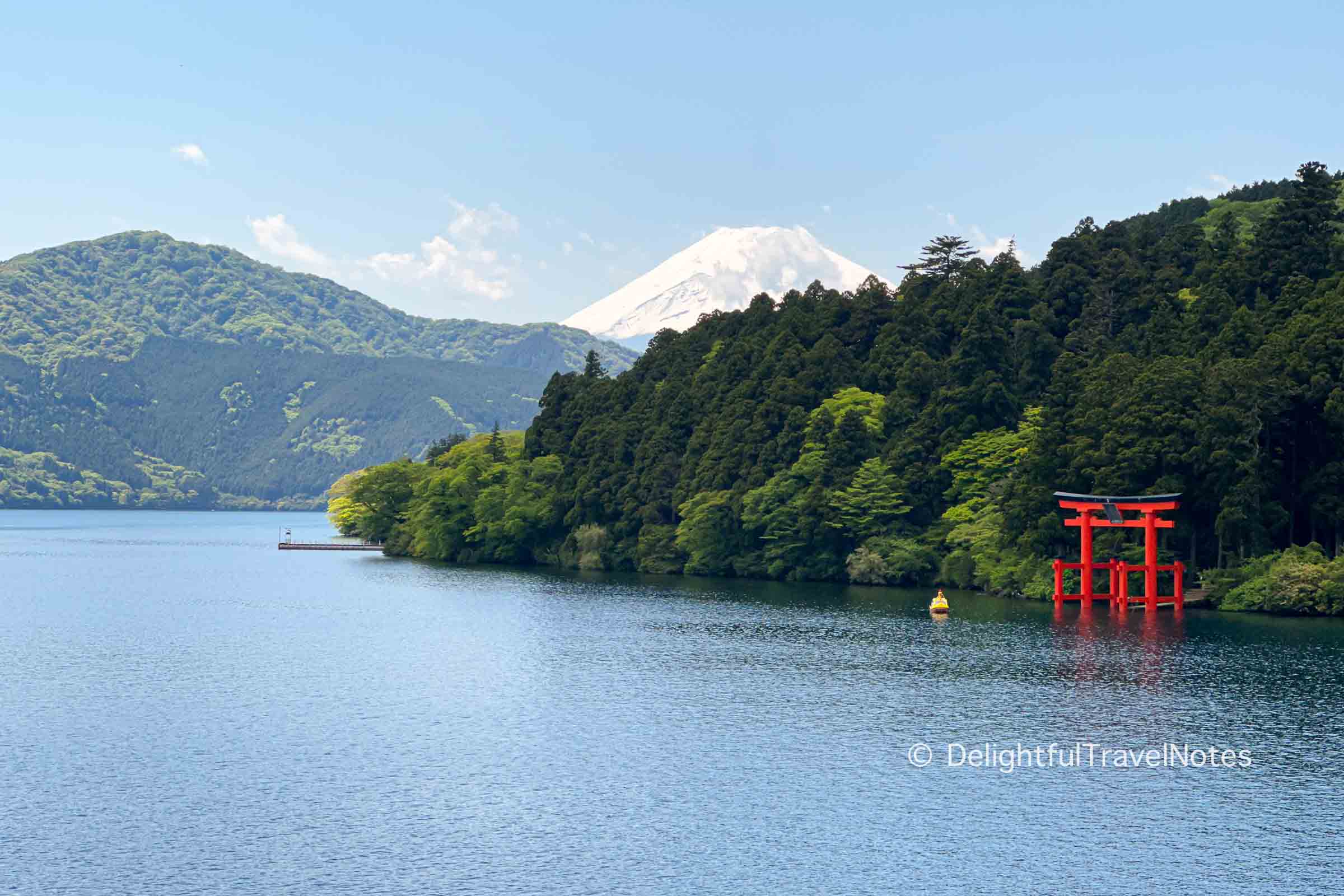
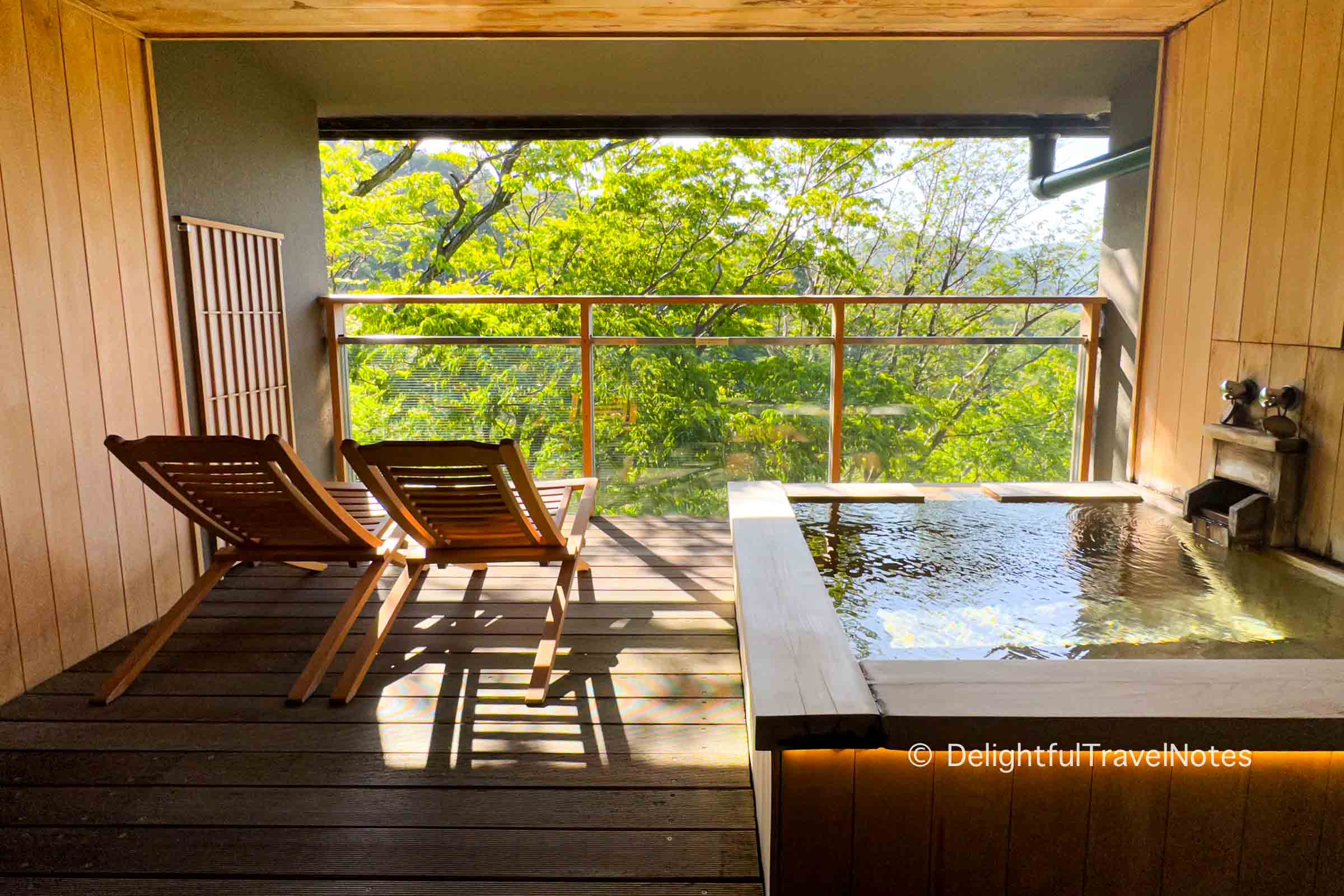
If your schedule allows, I strongly recommend staying overnight at a ryokan with a private onsen in Hakone and enjoying a traditional kaiseki dinner. It is one of the best experiences to splurge on in Japan. We personally loved our stay at Madoka no Mori ryokan (full review here), and it made a big difference in how much we enjoyed Hakone.
Day 4: Tokyo Day Trip or More Yokohama
Take a day trip to Tokyo to revisit favorite neighborhoods or explore areas you may have missed on previous trips. Alternatively, spend the day in Yokohama. You can go shopping in the Motomachi neighborhood with stylish boutiques and cafés, or browse through the large malls around Yokohama Station.
Bonus Ideas (for longer stays)
I’m just suggesting classic things to do for 4-5 days in Yokohama above. If you have more days, you can even consider going a bit further south to places like Atami and Kawazu by taking the Odoriko Limited Express. When we visited in January, it was a little early in the season, but if our trip had been in February, we definitely would have hopped on the Odoriko train to see the plum blossoms in Atami and the early cherry blossoms in Kawazu.
Explore More
Miyajima Kinsuikan Review: A Ryokan with A Century of History on the Island
Kurashiki and Okayama in One Day Trip from Hiroshima (or Osaka)
Miyajima Trip Report and Why An Overnight Stay is Worth It