
Kyoto Fall Itinerary with Top Foliage Spots
Fall is one of the best times to visit Kyoto. The city transforms into a canvas of fiery red and gold trees across temple grounds, mountainsides, and gardens reach their peak. The pleasant weather, crisp air, soft golden light, and seasonal flavors add another layer of charm to what’s already a timeless destination.
Yes, it will be crowded, especially in late November when the peak fall foliage draws both domestic and international visitors. However, the atmosphere in autumn is so special that it’s still absolutely worth the trip. Here is an itinerary we put together based on our previous visit and we hope you will find it useful.
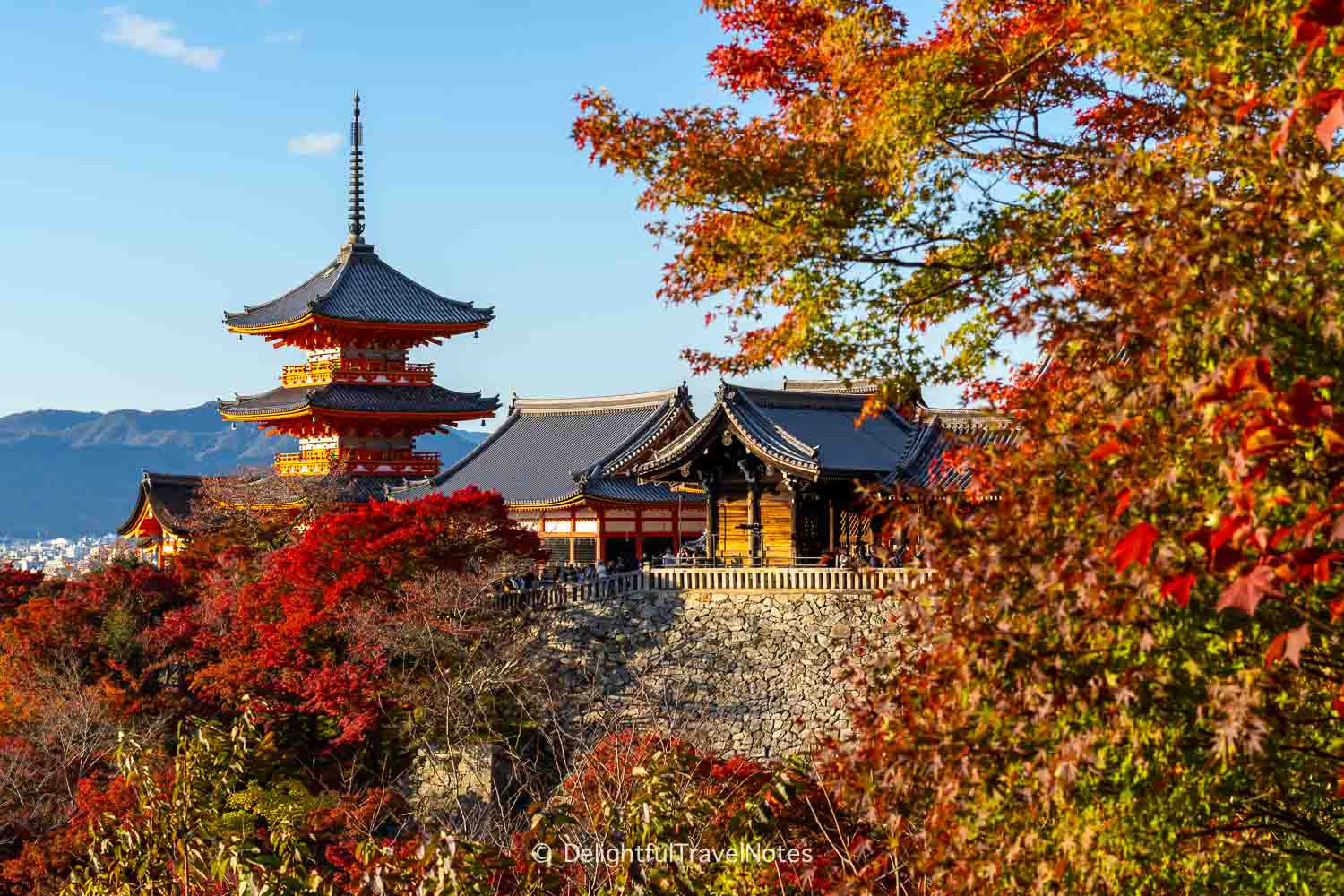
About this Fall Itinerary
We think this is a balanced itinerary, allowing you to see top foliage spots across several areas in Kyoto without rushing from one crowded spot to another. We try to include both iconic koyo spots and lesser-known places, with routes to reduce backtracking.
While this itinerary is designed around typical foliage timing, it’s important not to get too committed to a fixed schedule. Fall colors in Kyoto don’t change uniformly and progress can vary between different sites and elevations. As I mentioned in this post about the accuracy of fall foliage forecasts, to make the most of your trip, you should allow for flexibility in your plan. Check local foliage updates and photos on Google Maps, and be ready to adjust your route to catch the best colors as they develop.
I will suggest the top 2-3 places to visit for each day, plus some optional places you can add depending on your energy, interests, and time. Days are shorter in the fall and it already starts to get dark quickly after 4pm so it may not be possible to have an ambitious sightseeing schedule.
You will see a lot of temples in the itinerary as many of Kyoto’s most iconic fall foliage views are found inside temple grounds. A lot of temples in Kyoto were built in scenic natural settings and their temple gardens were carefully landscaped to highlight seasonal beauty, especially in autumn. Don’t forget to collect goshuin (temple and shrine stamps) as many places have beautiful seasonal goshuin in the fall. I will also suggest additional activities so you can modify the itinerary to suit your preferences.
For a fall visit, I strongly recommend having 3-4 full days in Kyoto to slowly soak in the beauty. You can somewhat plan your visits to sites to avoid peak crowded times as well as avoid rushing from places to places. While fall foliage is the highlight, don’t miss the seasonal food that makes this time of year even more special, like sweet potatoes, chestnuts, persimmons and mushrooms.
⭐️ Best Areas to Stay in Kyoto for a Fall Visit
Our personal preference for fall is to prioritize two areas: 1 – Arashiyama and 2 – North and Eastern part of Kyoto. These two scenic areas have many beautiful fall foliage sites. While transportation isn’t as convenient as central Kyoto, staying in or near these areas during fall lets you walk to top spots early in the day before the major crowds come.
My hotel recommendations for a scenic fall visit:
- The Westin Miyako: Located at the base of the Higashiyama mountains, right next to Keage Station, this hotel is a great base to enjoy the fall foliage around eastern Higashiyama. Read our review here and see more on Booking.com | Agoda.com.
- Muni Arashiyama: A stylish riverside hotel with a prime location within walking distance to many major sightseeing spots and restaurants in Arashiyama. See more on Booking.com | Agoda.com.
Day 1: Arashiyama
If you stay in Arashiyama and can wake up early (or if you stay elsewhere and can get there early in the morning), I recommend starting your day with a tranquil riverside walk along Katsura River. Walk past all the popular spots like Togetsukyo Bridge or % Arabica coffee shop, all the way toward the end of the path by the river.

At the end of the path, you will see signs for Arashiyama Park Observation Deck. The short uphill climb involves some steps, but the reward is a panoramic view over the Hozugawa Gorge, especially stunning in fall when the forested hills burst into red and gold.

From the observation point, follow the trail signs to Okochi Sanso Garden which is just a short walk away. Okochi Sanso Garden includes a villa, a tea house, and several smaller buildings, all interconnected by a winding path that takes you through beautifully landscaped gardens with vibrant fall colors. You will also find viewpoints over Arashiyama and the surrounding mountains. This garden opens at 9 am, and though it is one of the popular fall foliage spots in Kyoto, its grounds are very spacious for visitors to spread out so we didn’t feel it was crowded. You can find more photos of the fall foliage in Okochi Sanso Garden here.

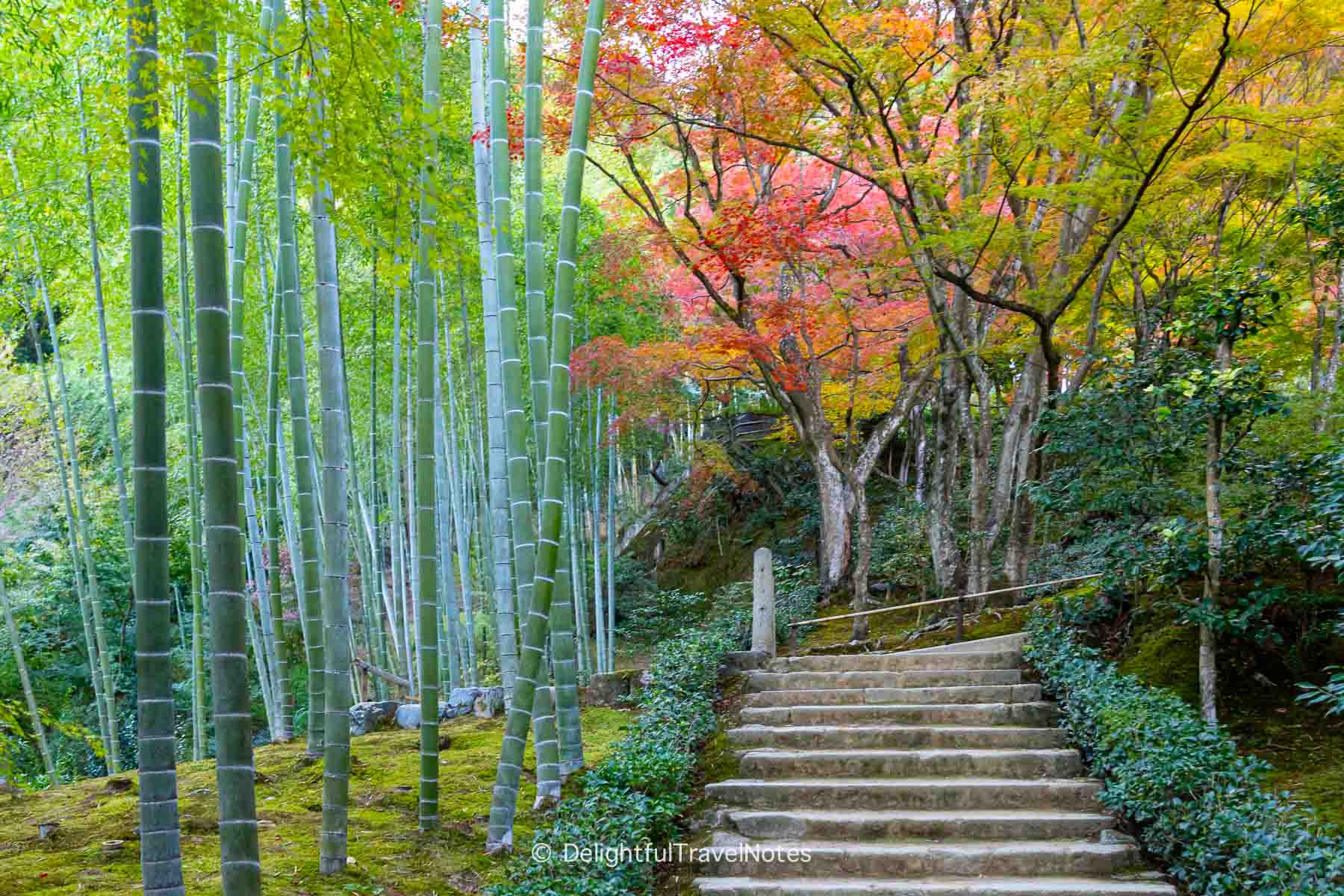
Okochi Sanso Garden is at the end of the bamboo path, so after exiting the garden, you can directly enter the bamboo forest. Along the bamboo path, you will come across the north entrance to Tenryu-ji. The garden of this temple is also well-known for fall foliage so you can stop by, however, expect large crowds (which is why it is not at the top of my list). Tenryu-ji is always among the most crowded temples in Kyoto.
After Tenryu-ji, you can consider an optional visit to Hogon-in, a sub-temple of Tenryu-ji, also a top foliage spot in Arashiyama or save it for night illumination hours. I don’t strongly recommend Hogon-in as I mentioned in my post about fall foliage at Hogon-in, the compact layout and linear walking path made the site feel crowded and harder to fully enjoy the scenery.
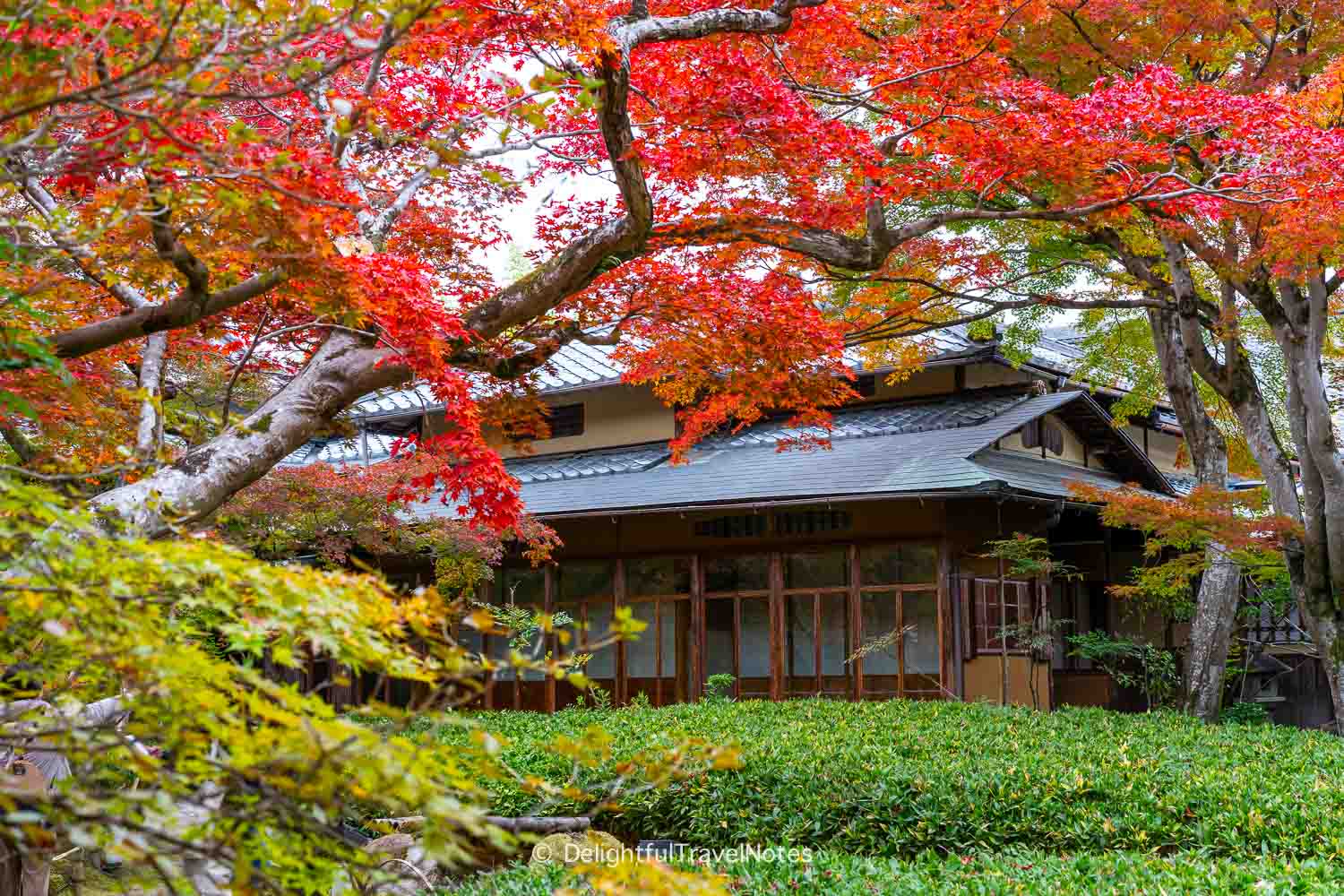
Another option after Okochi Sanso Garden is to visit Jojakko-ji and Nison-in. Jojakko-ji has spacious grounds spread on a hill with maple trees and bamboo patches. Expect quite a few steps at Jojakko-ji. I haven’t been to Nison-in in the fall but the temple is gaining traction as a fall foliage spot in Kyoto.
If you prefer to skip the early riverside walk and start later, you can reverse the route and do something like this:
- Visit Tenryu-ji at opening time via the main entrance
- Walk through the bamboo forest and visit Okochi Sanso Garden
- Follow trail signs from the garden to the Arashiyama Park Observation Point
- Then walk downhill to the riverbank
⭐️ Optional Experiences in Arashiyama
- Ride the Sagano Romantic Train (tickets on Klook)
- Take a Hozugawa River boat ride (tickets on Klook)
- Enjoy a rickshaw tour (Klook) or take an early morning bicycle tour (Viator) in Arashiyama
Day 2: Eastern Higashiyama and Sakyo Ward
For this day, I recommend starting early in the morning at Keage Tunnel, opposite Keage Station. Following the path lined with colorful trees and pass by Konchi-in, a small temple with a beautiful Crane and Turtle rock garden. After about 10 minutes, you will reach the iconic Sanmon Gate of Nanzen-ji. Try to arrive before opening time to explore the grounds in peace.
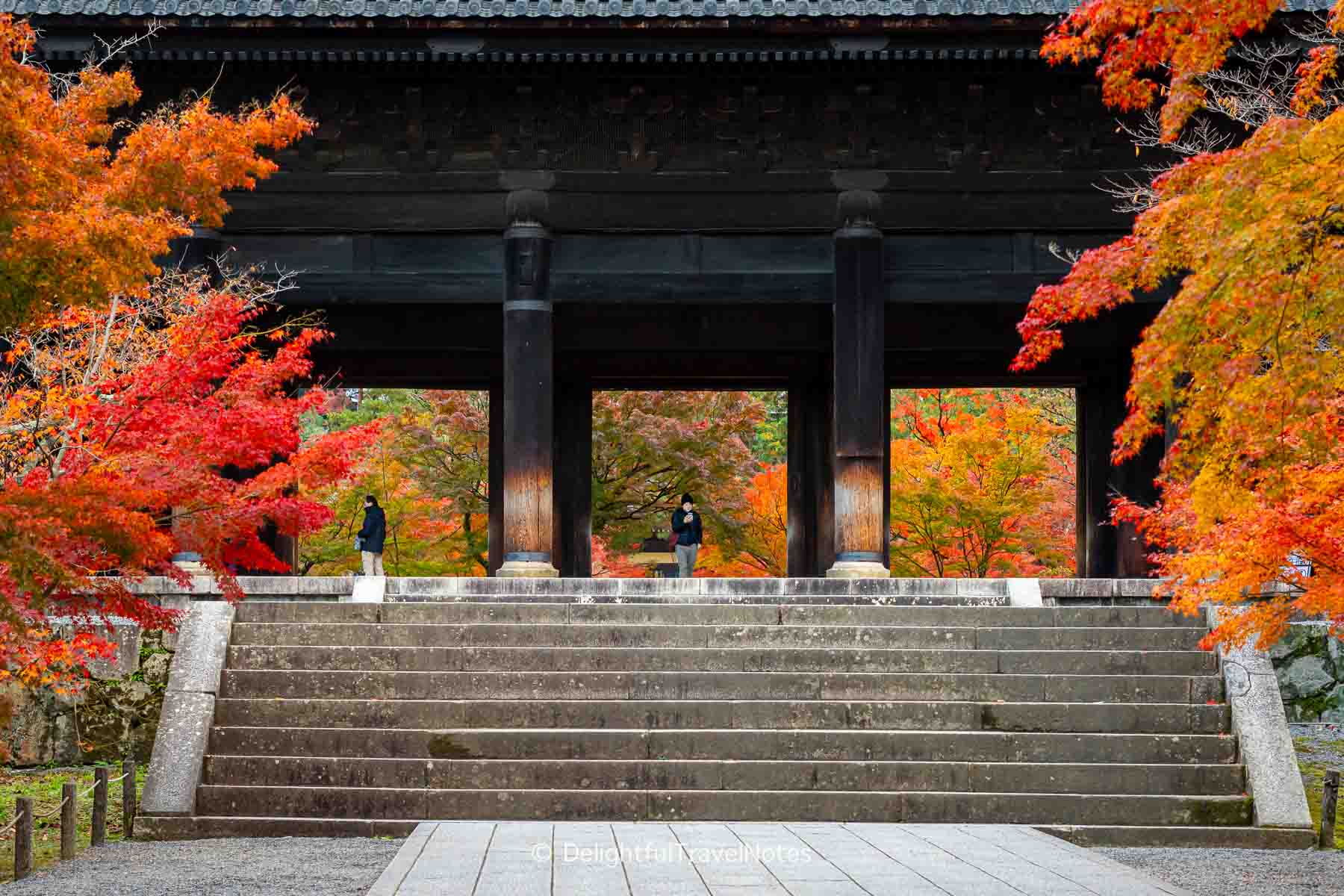
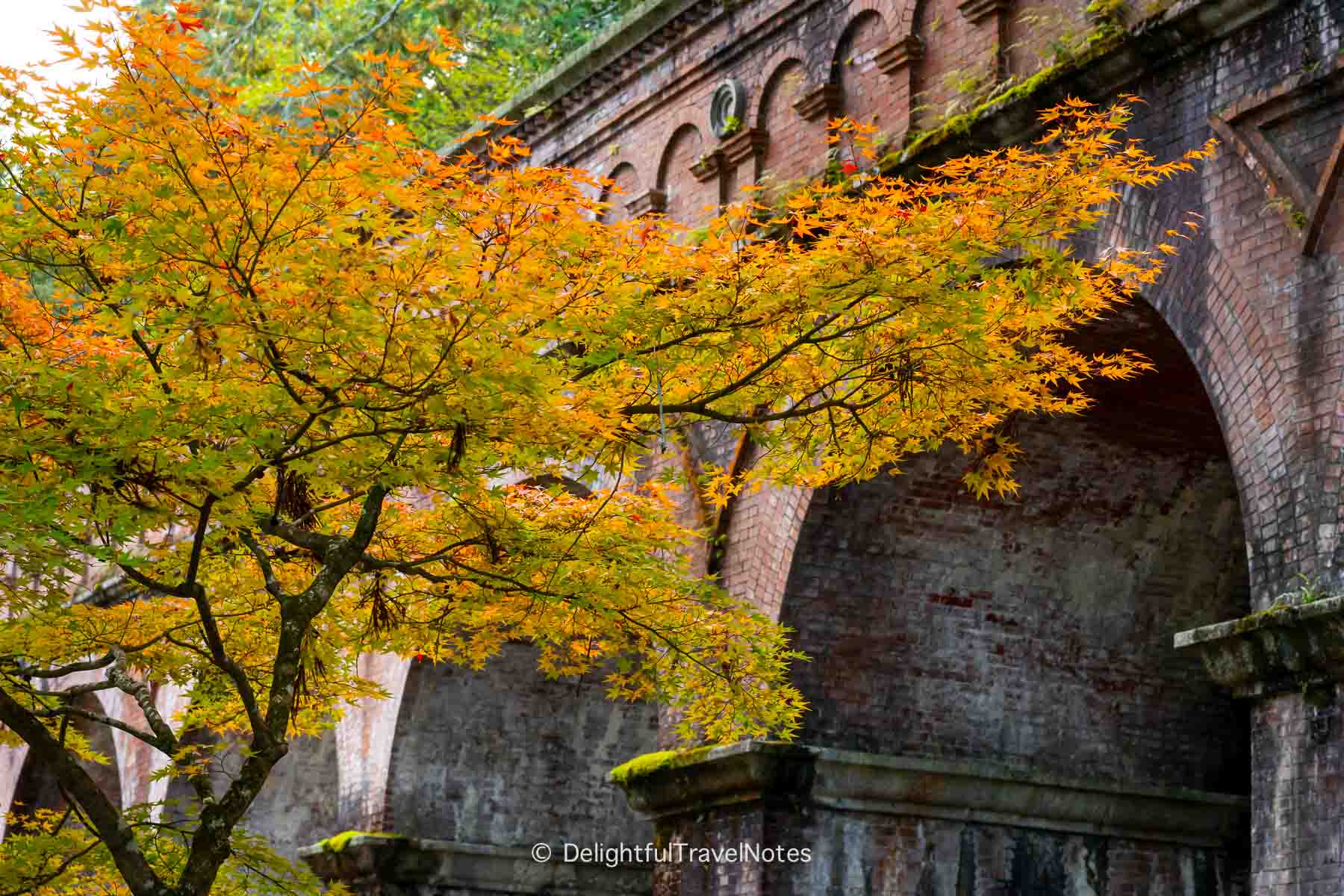
Make your way to the Suirokaku Aqueduct, a historic structure built over 100 years ago as part of a massive infrastructure project to transport water from Lake Biwa to Kyoto. After that, you can enter the main hall if you want. Tenju-an, a sub-temple of Nanzen-ji, is also a popular spot for fall foliage in this area. I have more photos and details about Nanzen-ji fall colors here.
After that, walk north toward Eikan-do Temple. As a famous fall foliage spot in Kyoto, you should expect crowds here, but it is not unbearable. You can explore the gardens, indoor halls, and climb up to the Tahoto Pagoda here. A major highlight in the fall of this temple is the Hojo Pond. Every visitor to Eikan-do will try to capture the picturesque scenery with the reflection of the bridge and maple leaves in the water.
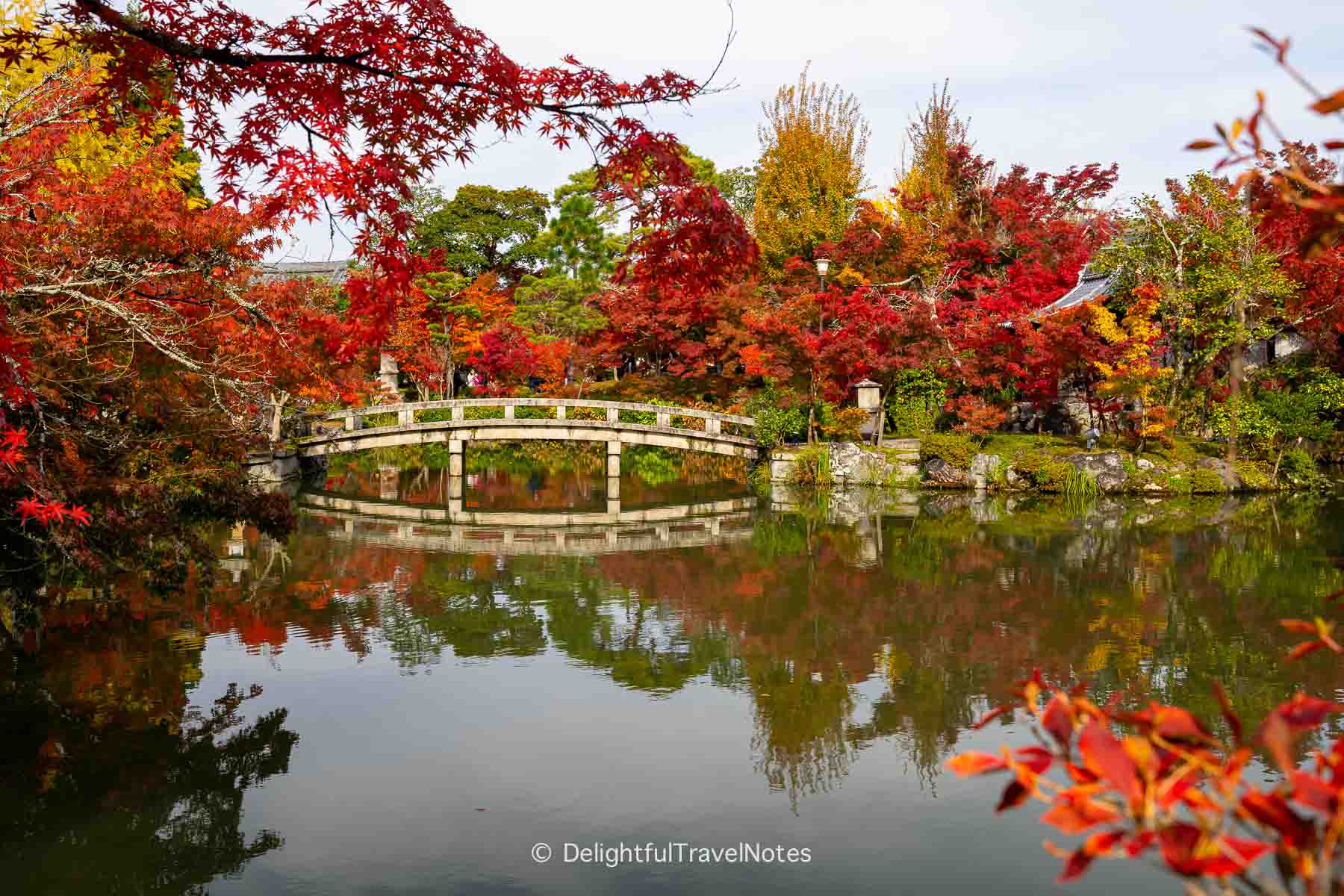
We were impressed by the intensity of the maple colors and the variety of view points at Eikan-do. I think it lives up to its reputation as one of the best temples to see fall colors in Kyoto. You can find more photos of Eikan-do fall foliage in this post. The temple also hosts night illumination.
Exit Eikan-do, I suggest stopping by Lake Biwa Canal Museum, which is one of the best free attractions in Kyoto in my opinion. This lesser known museum tells the story of the Lake Biwa Canal, a remarkable infrastructure project in the Meiji period that brought water from Lake Biwa to Kyoto and fueled the city’s modernization. The visit will help you appreciate the aqueduct at Nanzen-ji and Keage Incline more. Read more about Lake Biwa Canal Museum here.
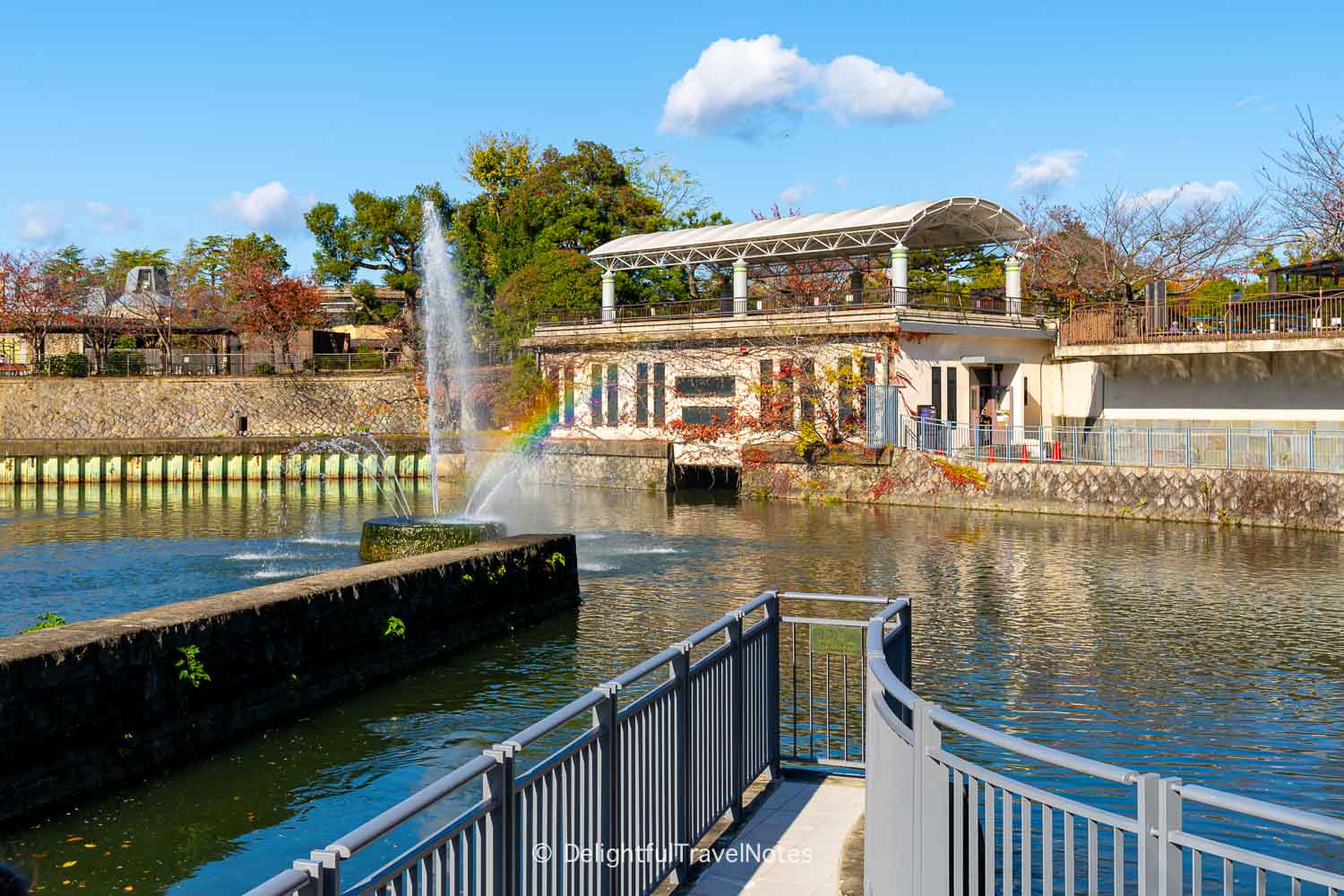
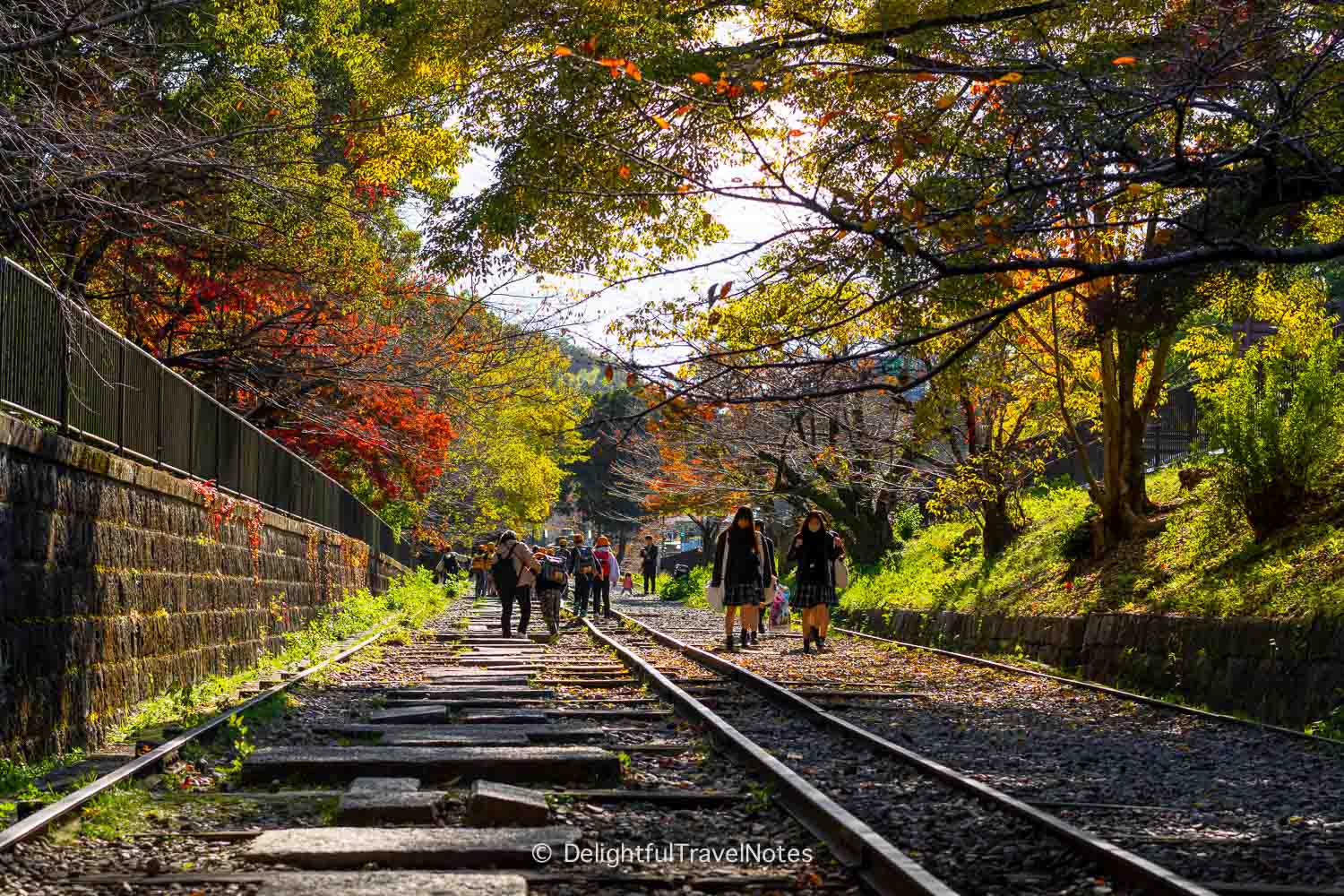
It does not take long to view the indoor exhibits. After that, head to the outdoor terrace connected to the basement. Here you can see a close-up view of the canal and the fountain. From the terrace, you can follow a short walkway leading directly to the Keage Incline. On our visit, the weather was gorgeous and the scenery was very lovely on the incline. From the incline, you can get off across Keage Station.
If you feel like adding more things to this day, here’s what I can suggest:
Option 1 – Northern extension: After Eikan-do, you can take a taxi up north to visit one or two temples like Ginkaku-ji or lesser-known spots like Konkai Komyo-ji and Shinnyodo Temple. Then circle back to Lake Biwa Canal Museum and Keage Incline.
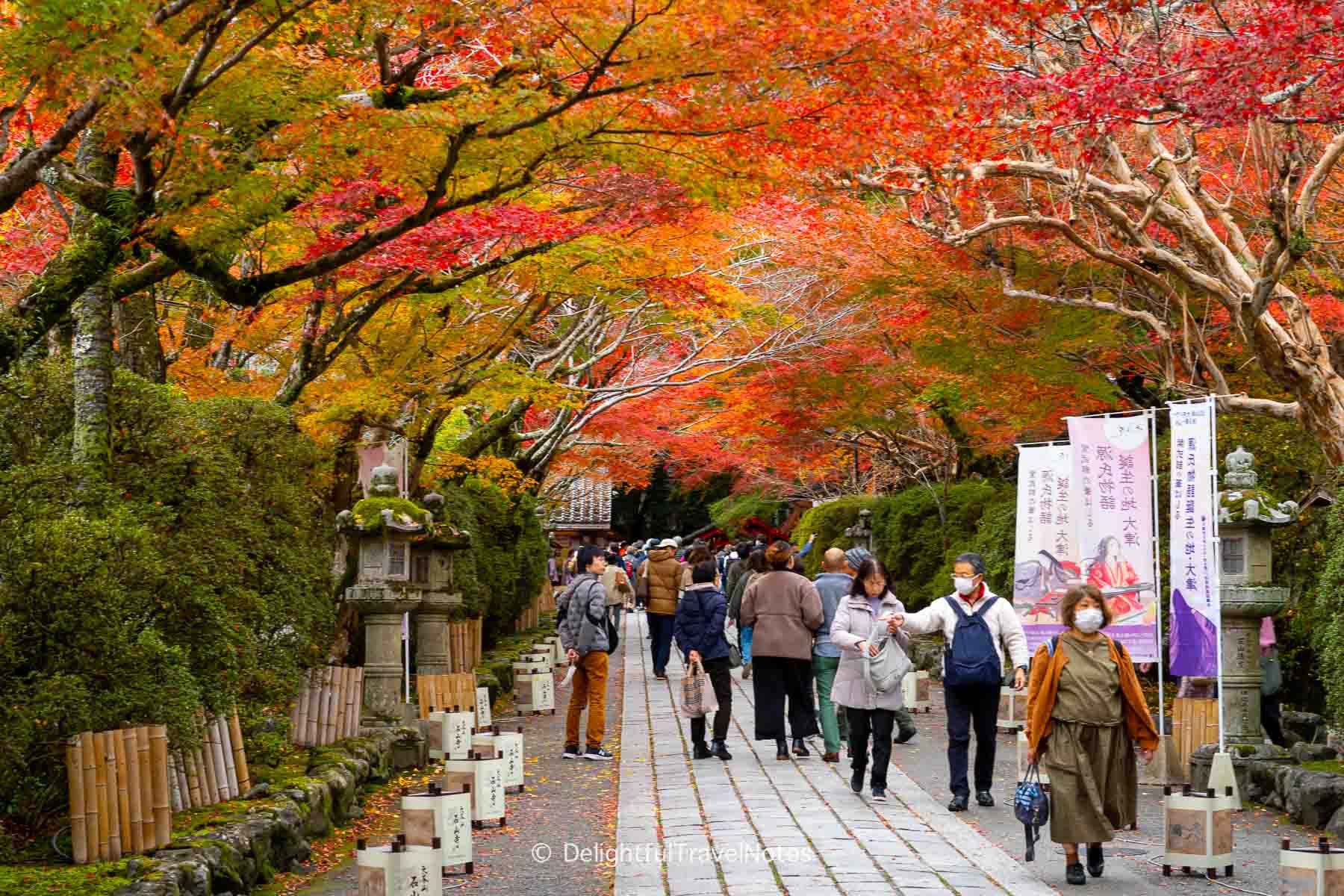
Option 2 after Keage Incline: you can walk to Shoren-in Temple. Or depending on what time of the day it is, from Keage Station, you can easily take the trains to Bishamondo Temple or even to Ishiyama-dera Temple in Otsu, Shiga. The fall foliage at Ishiyama-dera is stunning with more moderate crowds and the temple also hosts night illuminations. Read my guide about visiting Ishiyamadera here.
⭐️ Highly Recommended Experience in eastern Higashiyama
- Zen Garden Walking Tour (Viator) with Andrew, a garden designer living in Kyoto. He will break down foundational Zen principles and Japanese garden design concepts to you and show you how to view and appreciate some of the best gardens in this area. This is the best guided experience we have tried in Kyoto so far.
Day 3: Southern Higashiyama and Gion
For this day, you can consider visiting Tofuku-ji early in the morning. It is also among the most famous fall foliage spots in Kyoto and again, crowds are expected. The view from the bridge at Tofuku-ji looking down into fall foliage is breathtaking. If you have not visited Fushimi Inari Taisha before, you may consider grouping these two spots together as they are in the same travel direction.
The rest of the day can be spent walking around Gion. The streets of Gion are not where you will see fall colors. You will need to go to temple gardens in Gion for that. I highly recommend visiting Kiyomizu-dera in the afternoon. Yes, it will be very crowded and it can be quite intense along Ninenzaka and Sannenzaka leading up to the temple. However, I think the view is well worth it.
What makes the fall foliage at Kiyomizu-dera special is the panoramic views of the surrounding hillside which is transformed into a sea of fiery maple leaves. Unlike most locations where you look up to admire the foliage, here, you look down from the terrace of the Main Hall, and it feels as if an ocean of vibrant red and orange leaves stretches out before you. The scenery is stunning especially during golden hours in the afternoon.
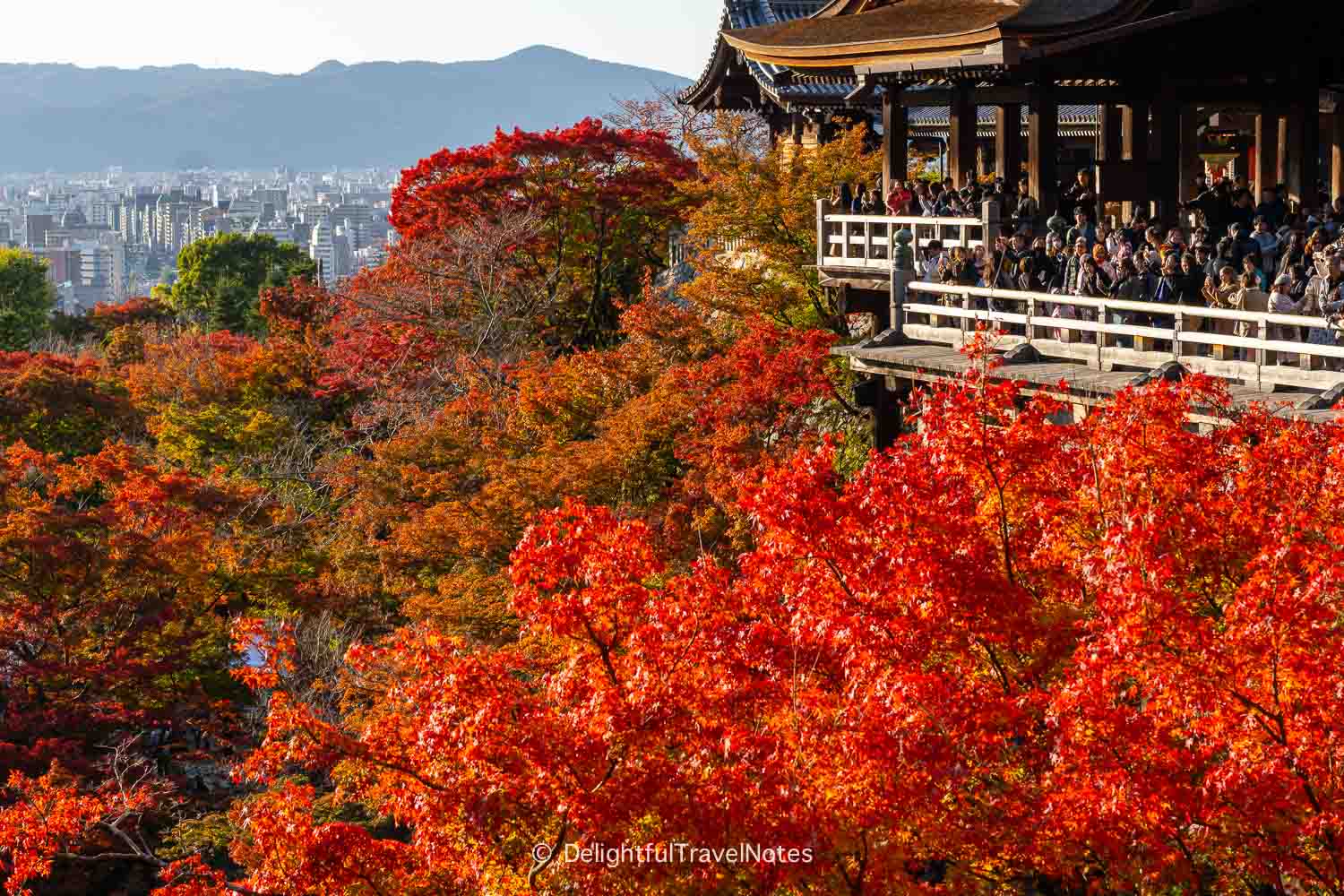
The temple grounds have several paths winding through the gardens and trees, and the crowds will thin out a bit as you explore deeper. You can see more photos of Kiyomizu-dera fall foliage in this post. Kiyomizu-dera also holds special night illuminations during the fall foliage season and I’ve heard that it is also amazing.
Another temple with a beautifully composed garden in Gion is Kodai-ji. This temple also has its own bamboo path and often hosts night illuminations in the fall. A temple with a less busy garden at the corner of Gion is Kennin-ji. It is not exactly a great spot for fall foliage but the atmosphere is quieter and its huge twin dragon painting on the ceiling is very impressive.
⭐️ Optional Experiences in Gion
- Watch cultural performances at local theaters, such as GEAR Non-verbal Theater, Minimiza Theater or Gion Kobu Kaburenjo.
- Take a guided Gion walking tour: you can find a lot of these guided tours, either private or with a small group, on booking platforms like Viator, GetYourGuide and Klook.
- Take a tea ceremony session: I’m personally not a fan of these sessions as they often feel like a demonstration to foreign tourists. Read my post here for more thoughts on this. You can also find a lot of tea ceremony sessions on Viator, GetYourGuide and Klook.
Day 4: Day Trip
For a change of atmosphere, I recommend taking a day trip if you have more than 3-4 days in Kyoto. The top choice will be Nara as is just 45–60 minutes from Kyoto Station via Kintetsu or JR lines. The city is a great place to explore on foot and soak in the tranquil atmosphere and beauty scenery of the fall. And of course, the Great Buddha at Todai-ji is always a must see in Nara. You can see more photos of fall foliage in Nara City here.
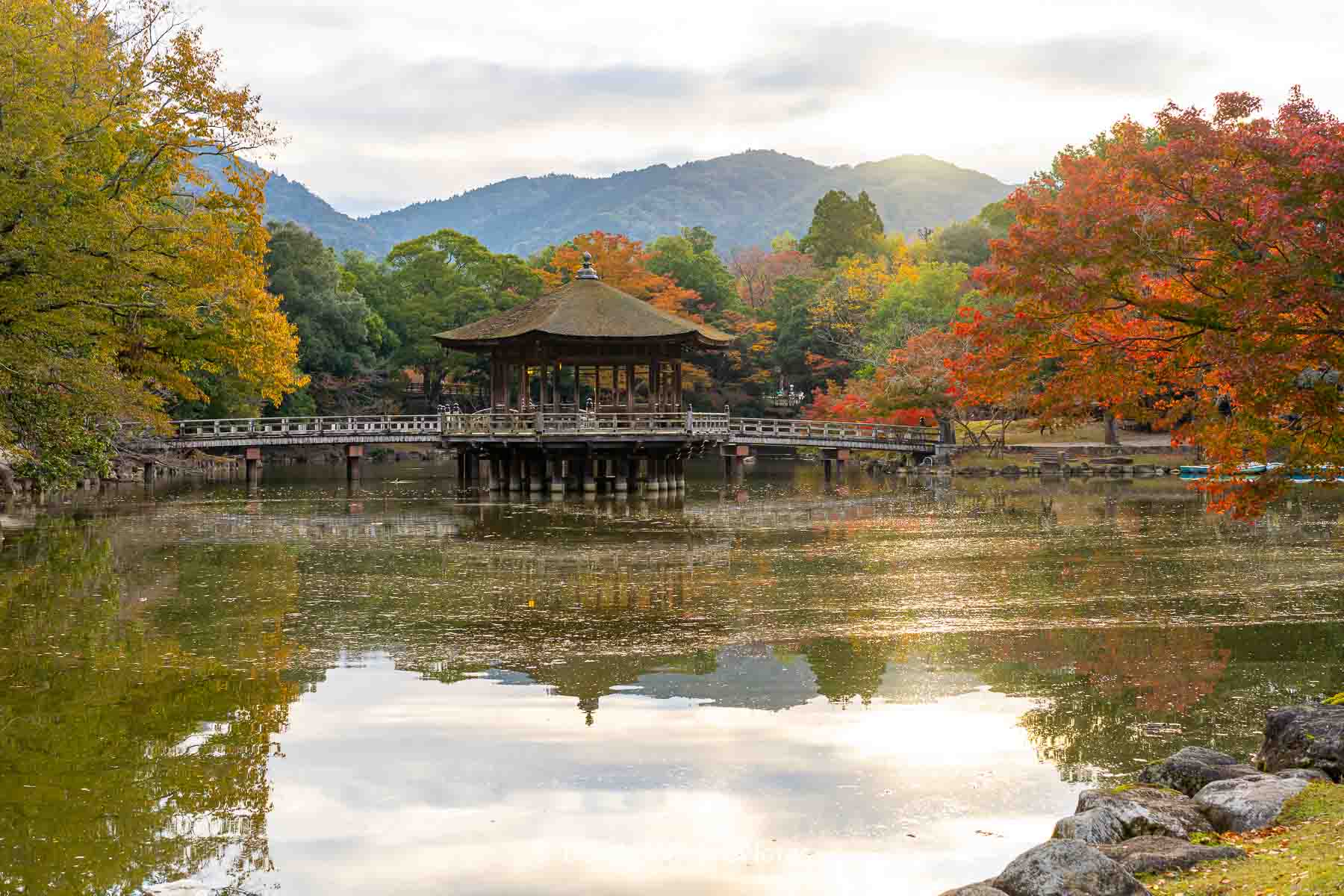
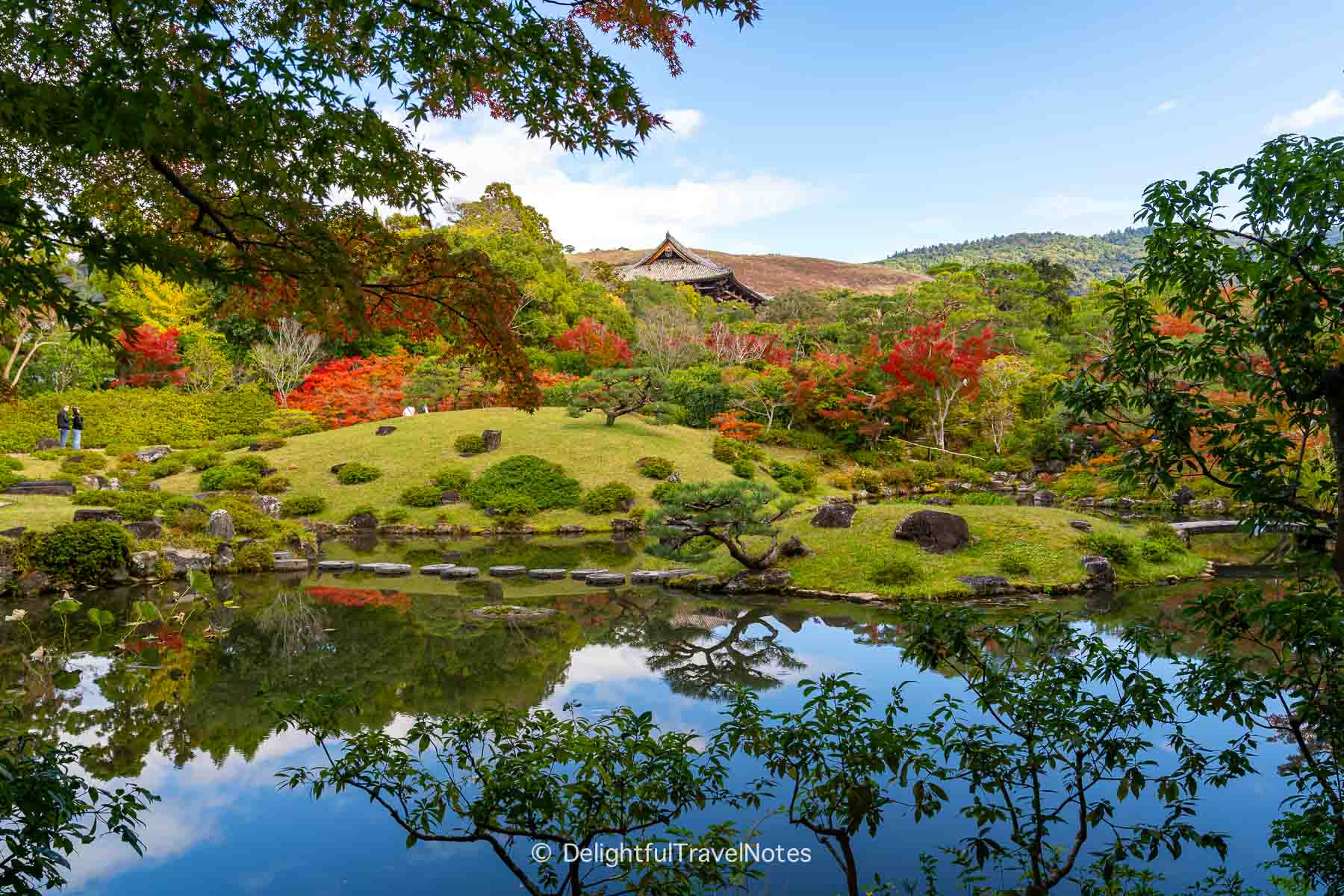
If your schedule allows though, I strongly recommend staying overnight in Nara. It is very quiet early in the morning and evening. Actually, most visitors congregate at just a few spots like Nara Park area near Todai-ji. There are also many good restaurants, such as La Terrasse and akordu. We have stayed at Hotel Setre Naramachi (see my review | Booking | Agoda) and Shisui Nara (see my review | Booking | Agoda) on previous visits and enjoyed both places.
If you didn’t visit Ishiyama-dera in Otsu (Shiga Prefecture) on Day 2, it is a good alternative day trip destination. Shiga Prefecture is much quieter than Kyoto and we saw very few foreign tourists at Ishiyama-dera. Because Ishiyamadera sits on a cliff, be prepared for a lot of steps.
If you found this article helpful, please consider sharing it on Pinterest! Thank you so much!


Hi there,
I have one more question: we will be in Kyoto for 7 nights in april26, after 4 nights in Tokyo. Then we will stay in Osaka for 2 nights to visit Universal Studios and fly back from Kansai.
We will definitely be taking the day trip to Himeji and Kobe, the hiking route in Arashiyama and the tips such as guided tours in Kyoto, including restaurant recommendations. Great tips from you!
Would you say that we should definitely plan to visit Nara, or are our days already quite full? Did you cycle along the Philosopher’s Walk? Or is that not necessary?
I look forward to hearing from you.
Best, Vanessa
Hi Vanessa,
With 7 nights in Kyoto and one day set aside for Himeji & Kobe, you’ll still have 5–6 full days for sightseeing in Kyoto. That sounds pretty comfortable to me and you have room to include Nara if you’d like. It may not be necessary to plan for Nara far ahead of time since it is just a quick train ride from Kyoto (around 40 minutes). As you will be traveling with your son, I think Nara is a fun choice as seeing the roaming deer is probably pretty fun for kids. I don’t know how old your son is, but many of the most popular attractions in Kyoto are temples and gardens which may get boring and repetitive to kids quickly so Nara could add some variety.
Speaking of family-friendly options, the Kyoto Railway Museum is quite large, interactive and full of kids. The only downside is that English translations aren’t plentiful. By the way, it’s actually a bit more convenient to take the day trip to Himeji & Kobe from Osaka than from Kyoto.
I still haven’t visited the Philosopher’s Walk after 3 trips to Kyoto. What I’ve heard is it looks best during cherry blossom season so we never put it on high priority. Kyoto is pretty big and getting around does take quite a bit of time, especially if you rely on public transportation, so it is best to group attractions by area. If there are other spots in that area you definitely want to see and you have extra time, you can consider adding the Philosopher’s Path. Otherwise, I don’t think it is a must see.
Please let me know if you need more information.
Sophie
Hi Sophie,
Thank you so much for you reply!
Yes, you‘re right, it would be more convenient to take the day trip to Himeji & Kobe from Osaka than from Kyoto. But we‘ll only have two nights in Osaka an want to visit the universal studios because this is a really big wish from our son.
Thank you again!
Best wishes,
Vanessa